Most minor knee pain, the kind that shows up after a long hike, a new workout or a day on your feet, eases within a few days to a few weeks with simple home care. Rest the knee from whatever aggravates it, use ice or heat, and then rebuild strength in the muscles that support the joint. If your knee is badly swollen, locks, gives way or cannot take your weight, skip the home remedies and get it checked.
The short version
- For a fresh, mildly sore knee: relative rest, ice for 15 to 20 minutes at a time, light compression and elevation.
- For stiff, achy knees without swelling: gentle heat and regular low-impact movement often help more than rest.
- Strong thigh and hip muscles take load off the knee. A few simple exercises done most days make a real difference over weeks.
- Losing excess weight and wearing supportive shoes reduce strain on the joint.
- See a doctor for major swelling, locking, instability, fever or a knee you cannot stand on.
Common causes of minor knee pain
The knee carries a lot of load, and pain usually comes from overuse or wear rather than one dramatic injury. Typical culprits include pain around the kneecap (patellofemoral pain, common in runners and people who climb a lot of stairs), irritated tendons, mild sprains, bursitis and osteoarthritis, which becomes more common with age. Home care works well for many of these. A torn ligament or meniscus, a fracture, gout or an infection needs medical care.
Home care for the first few days
- Rest, but not total rest. Avoid the activity that hurts (running, jumping, deep squats, kneeling) for a few days. Keep moving gently, such as short walks on flat ground, so the joint does not stiffen.
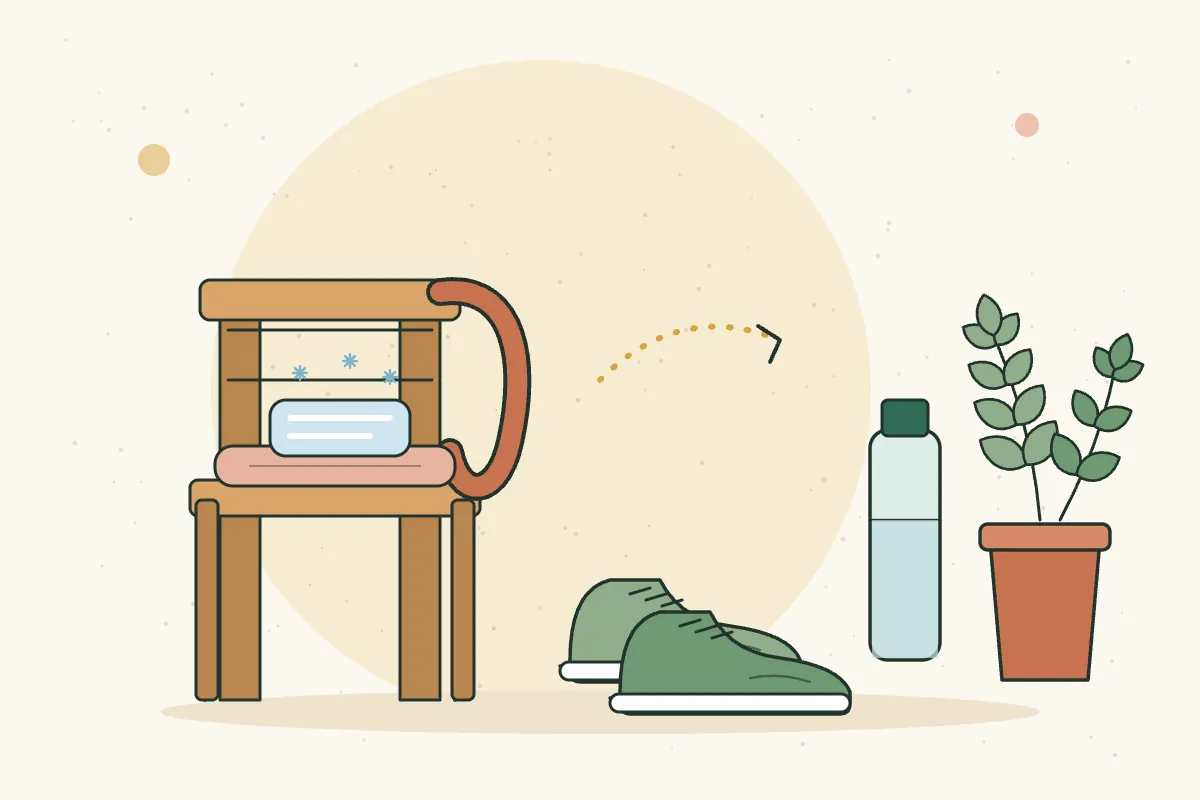
- Ice a fresh, warm or puffy knee. Wrap an ice pack or a bag of frozen peas in a thin towel and apply it for 15 to 20 minutes, several times a day, during the first 48 to 72 hours. Never put ice directly on skin.
- Compress and elevate. A light elastic sleeve or bandage can limit swelling. It should feel snug, never tight, numb or tingly. Prop the leg up on pillows above heart level when you sit or lie down.
- Use heat for stiffness. Once swelling has settled, or for long-standing arthritis aches, a warm pack or a warm shower for 15 to 20 minutes can loosen the joint before activity.
- Consider an over-the-counter pain reliever. Acetaminophen, ibuprofen or naproxen, or a topical anti-inflammatory gel, can ease pain in the short term. Follow the label and check with a pharmacist if you have stomach, kidney, liver or heart problems or take blood thinners.
Safety first
- Keep a thin cloth between skin and ice or heat packs, and limit each session to about 20 minutes, especially if you have diabetes or reduced feeling in your legs.
- Oral anti-inflammatory pills are not right for everyone, including people with ulcers, kidney disease, heart failure or those who are pregnant. Ask a doctor or pharmacist first.
- Pain that gets worse instead of better after a week of home care is a reason to get checked.
Exercises that support the knee
Strength is the closest thing to a long-term fix for many kinds of knee pain. Strong quadriceps (front of the thigh), hamstrings and hip muscles absorb force that would otherwise land on the joint. Clinical guidelines for knee osteoarthritis recommend exercise as a core treatment. Start gently, move slowly and stop if an exercise causes sharp pain. Mild discomfort that settles within a day is usually fine.
- Quad sets. Sit with your leg straight and a rolled towel under the knee. Press the back of the knee into the towel by tightening your thigh. Hold 5 seconds, relax. Repeat 10 times.
- Straight leg raises. Lie on your back, bend the other knee and keep the working leg straight with the thigh tight. Lift it to the height of the bent knee, hold 2 seconds and lower slowly. 2 sets of 10.
- Glute bridges. Lie on your back with both knees bent and feet flat. Squeeze your buttocks and lift your hips until your body forms a straight line from shoulders to knees. Hold 3 seconds. 2 sets of 10.
- Side-lying leg lifts. Lie on your side with the bottom knee bent. Lift the top leg, kept straight, about 12 inches (30 cm), then lower slowly. This strengthens the hip muscles that keep the knee tracking well. 2 sets of 10 on each side.
- Sit to stand. From a sturdy chair, stand up and sit down slowly without using your hands, keeping your knees in line with your toes. Start with 8 and build to 15. Use a higher chair if it hurts.
- Step-ups. When the others feel easy, step up onto a low stair, lead with the sore leg, and step down slowly. Hold a railing for balance.
Do the routine most days for at least six weeks. Pair it with low-impact cardio such as walking, cycling, swimming or water aerobics, which keeps the joint moving without pounding it. Our guide on how a little exercise can go a long way has ideas for building the habit, and a simple resistance band can make the leg exercises progressively harder.
A physical therapist is worth it
If the pain keeps returning, a few sessions with a physical therapist can pinpoint weak spots and correct how you squat, run or climb stairs. In most US states you can see a physical therapist without a referral, though insurance rules vary.
Weight, shoes and everyday habits
Body weight
Every step loads the knee with a multiple of your body weight, so even modest weight loss reduces strain. In studies of people with knee osteoarthritis who were overweight, losing around 5 to 10 percent of body weight improved pain and function. Slow, steady changes in eating and movement work better than crash diets.
Footwear
Choose shoes with good cushioning and support for walking and exercise, and replace running shoes once the cushioning is worn out. Flat, flimsy shoes and high heels can both increase strain on the knee. Special insoles are not a cure, but some people with knee pain find they help, so they may be worth a try.
Daily movement
Avoid long periods of kneeling or sitting with your knees bent. Get up and walk for a few minutes every half hour, use a cushion when you garden on your knees, and take stairs at a pace that feels comfortable rather than skipping steps.
Red flags: when to see a doctor
Get medical care if you notice any of the following:
- You cannot put weight on the leg or walk more than a few steps
- The knee swelled up quickly after an injury, or swelling is large
- The knee locks, catches or gives way
- You heard a pop at the time of injury
- The knee looks deformed or you cannot straighten or bend it fully
- The joint is red, hot and swollen, especially with fever or chills, which can be a sign of infection or gout
- Calf pain, swelling or warmth in the lower leg, which can signal a blood clot
- Pain that has not improved after one to two weeks of home care, or pain that wakes you at night
Call 911 or go to the emergency room for a severe injury, a knee that looks out of place, or calf swelling together with shortness of breath or chest pain.
Frequently asked questions
Should I use ice or heat on my knee?
Ice is usually better for a new injury or a knee that feels warm and swollen. Heat suits ongoing stiffness and arthritis aches without swelling. Some people with chronic pain like heat before activity and ice after it.
Is walking good for knee pain?
For most minor knee pain and for osteoarthritis, yes. Walking on flat ground at a comfortable pace keeps the joint moving and the muscles strong. Shorten the distance if pain lasts more than a couple of hours afterward.
Do knee braces help?
A simple sleeve can give a feeling of support and warmth. Specialized braces for arthritis or instability should be chosen with a doctor or physical therapist. A brace works best alongside strengthening, not instead of it.
Sources
- American Academy of Orthopaedic Surgeons, OrthoInfo: Knee conditioning program and common knee injuries
- Mayo Clinic: Knee pain, symptoms, causes and when to see a doctor
- American College of Rheumatology and Arthritis Foundation: 2019 guideline for the management of osteoarthritis of the hand, hip and knee
- Arthritis Foundation: Weight loss and joint pain
- Cleveland Clinic: Knee pain, care and treatment
Comments
No comments yet. Tried this at home? Tell us how it went.